

 Download our New App


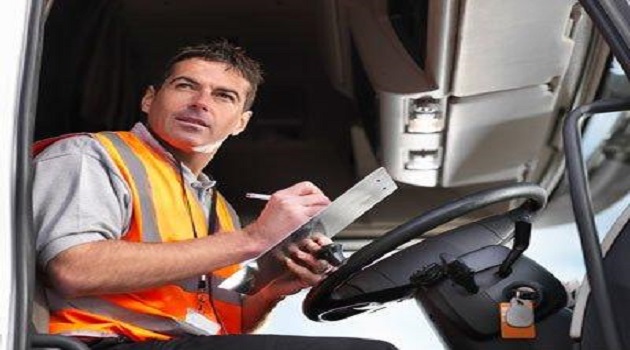
Understanding the Role of an HGV Driver
If you're considering a career as an HGV
driver, it's important to understand what the job entails, the qualifications
needed, and the opportunities available. This article will guide you through
the key aspects of becoming an HGV driver, including the responsibilities of
the role, the skills required, and the various job prospects in the UK.
Key Takeaways
- HGV drivers must have the right licences and training to
operate heavy vehicles safely.
- Driving skills and a good understanding of transport laws are
essential for the role.
- There are many job opportunities for HGV drivers in the UK,
with various employers and locations.
- The job comes with its own set of challenges, but it can also
be rewarding and satisfying.
- Networking and a strong CV can significantly improve your
chances of landing an HGV driving job.
Key Responsibilities and Duties
As an HGV driver, your main job is to
transport goods safely and efficiently. Here are some key responsibilities:
- Drive heavy goods vehicles (HGVs) and ensure they are in good
condition.
- Complete pre- and post-trip checks to ensure safety.
- Manage loading and unloading of goods securely.
- Follow transport laws and regulations, including drivers'
hours.
- Maintain a clean and compliant vehicle.
Types of HGV Licences
To drive HGVs, you need the right licence.
Here are the main types:
- Class 1 (C+E): Allows you to drive articulated vehicles.
- Class 2 (C): For rigid vehicles.
- Driver CPC: A qualification that ensures you have the necessary skills
and knowledge.
Importance of Compliance with Transport Legislation
Following transport laws is crucial for
safety and efficiency. Key points include:
- Adhering to drivers' hours regulations to prevent fatigue.
- Keeping accurate records of driving times and vehicle checks.
- Understanding the importance
of compliance helps avoid penalties and ensures safe operations.
Being an HGV driver is not just about driving; it’s about being
responsible and ensuring the safety of yourself and others on the road.
In summary, HGV drivers play a vital role
in the logistics industry, and understanding your responsibilities and the
necessary qualifications is essential for success in this field. Employers value HGV drivers who can
articulate their needs and navigate complex logistical challenges with ease.
Qualifications and Skills Required for HGV Drivers
Essential Licences and Certifications
To become an HGV driver, you need to hold
specific qualifications. The most important are:
- Full UK Class 1 or
Class 2 licence: This allows you to drive
different types of heavy goods vehicles.
- CPC qualification: This is a legal requirement for professional drivers,
ensuring you have the necessary training and knowledge.
- Driver Tachograph
card: This records your driving hours and
ensures compliance with regulations.
Required Driving Skills and Knowledge
HGV drivers must possess a range of skills
to perform their duties effectively. Key skills include:
- Excellent driving
skills: You should be able to handle large
vehicles safely.
- Knowledge of
transport laws: Understanding the rules and
regulations is crucial for compliance.
- Basic IT skills: Familiarity with software like Microsoft Word and Excel can
be beneficial for paperwork.
Importance of Customer Service Skills
In addition to driving, HGV drivers often
interact with customers. Therefore, having good customer service skills is
essential. This includes:
- Effective
communication: Being able to clearly convey
information.
- Problem-solving
abilities: Addressing any issues that may
arise during deliveries.
- Professionalism: Representing your employer positively while on the road.
While many HGV roles share the same core driving skills,
transitioning to more specialised roles often requires additional
certifications.
|
Qualification Type |
Description |
|
|
Class 1 Licence |
Allows driving of articulated vehicles |
|
|
Class 2 Licence |
Allows driving of rigid vehicles |
|
|
CPC Qualification |
Ensures professional training and
compliance |
By meeting these HGV driver requirements, you can enhance your employability and
ensure a successful career in this field.
Job Opportunities for HGV Drivers in the UK

Finding HGV
driver jobs in the UK is quite promising, with numerous options available
across various sectors. The logistics industry is booming, and many logistics companies hiring UK are
looking for skilled drivers. Here’s a closer look at the opportunities:
Top Employers and Locations
- Thames Water
Utilities: Based in Didcot, they often have
openings for HGV drivers.
- Ocado Logistics: Located in Andover, they require flexible drivers for large
goods vehicles.
- Aldi: Regularly hires drivers for night shifts across various
locations.
Types of HGV Driving Jobs Available
- Class 1 Drivers: These drivers operate larger vehicles and often have higher
salary expectations.
- Class 2 Drivers: Typically drive smaller HGVs and may have different
responsibilities.
- Specialised Roles: Such as bulk tanker drivers or those working in logistics
management jobs.
Salary Expectations and Benefits
The average
HGV driver salary UK varies based on experience and the type of vehicle
driven. Here’s a quick overview:
|
Job Title |
Average Salary (£) |
Benefits |
|
|
Class 1 Driver |
35,000 - 45,000 |
Health insurance, bonuses |
|
|
Class 2 Driver |
30,000 - 40,000 |
Pension scheme, overtime pay |
|
|
Bulk Tanker Driver |
40,000 - 50,000 |
Annual leave, training support |
The demand for HGV driver vacancies is high, making it a great time
to become a truck driver UK. With the right qualifications, you can secure a
rewarding career in haulage.
Overall, the logistics industry offers a
variety of logistics job opportunities
for those willing to take on the challenge of driving heavy goods vehicles.
Whether you are just starting or looking to advance your career, there are
plenty of options available to you.
Challenges and Rewards of Being an HGV Driver
Common Challenges Faced by HGV Drivers
Being an HGV driver can be tough. Here are
some of the main challenges:
- Long
hours: Many drivers spend long hours on the road, which can lead to
fatigue and stress.
- Time away from home: Drivers often have to stay away from home
for days at a time, which can be hard on family life.
- Traffic and weather conditions: Navigating through heavy
traffic or bad weather can make driving more difficult and stressful.
Health and Safety Considerations
Health and safety are very important in
this job. Drivers must:
- Follow strict safety rules to protect themselves and others.
- Take regular breaks to avoid fatigue.
- Keep their vehicles in good condition to prevent accidents.
Benefits and Job Satisfaction
Despite the challenges, there are many
rewards to being an HGV driver:
- Good pay: Many drivers earn a decent salary, especially with
experience.
- Independence: Drivers often enjoy working alone and managing their own
time.
- Job demand: There is a high demand for HGV drivers, which means good job
security.
Being an HGV driver can be challenging, but it also offers many
rewards that make it a fulfilling career choice.
|
Challenge/Reward |
Description |
|
|
Long hours |
Can lead to fatigue and stress. |
|
|
Time away from home |
Affects family life and personal
relationships. |
|
|
Good pay |
Competitive salaries for skilled drivers. |
|
|
Independence |
Enjoy working alone and managing your own
time. |
|
|
Job demand |
High demand for drivers ensures job
security. |
Opportunities for Female Truck Drivers
Breaking Stereotypes in the Industry
The trucking industry has traditionally
been male-dominated, but this is changing. More
women are entering the field, proving that they can excel as HGV drivers.
Companies are now actively seeking female drivers to diversify their workforce.
This shift is not just about numbers; it’s about changing perceptions and
creating a more inclusive environment.
Support Networks and Resources
There are several resources available to
support female truck drivers:
- Networking groups specifically for women in transport.
- Mentorship programmes that connect new drivers with experienced professionals.
- Online forums where female drivers can share experiences and advice.
Success Stories of Female HGV Drivers
Many women have made significant strides in
the HGV driving profession. Here are a few inspiring examples:
- Sarah, who started as a part-time driver and now manages a fleet.
- Emily, who won a national award for her safe driving record.
- Jessica, who advocates for women in trucking through her blog.
The journey for female truck drivers is filled with challenges, but
the rewards are immense. Working hours for truck drivers can be flexible,
allowing for a better work-life balance.
In conclusion, the opportunities for female
truck drivers are expanding. With the right support and resources, women can
thrive in this field, breaking down barriers and paving the way for future
generations.
Tips for Securing an HGV Driving Job

Crafting an Effective CV
Creating a strong CV is essential when
applying for HGV driving roles. Here are some tips to make your CV stand out:
- Highlight relevant
experience: Include any previous driving jobs
or related roles.
- List your
qualifications: Make sure to mention your HGV
licence and any additional certifications.
- Use clear formatting: Keep your CV easy to read with bullet points and headings.
Preparing for Interviews
When it comes to interviews, preparation is
key. Consider the following:
- Research the company: Understand their values and services.
- Practise common
interview questions: Be ready to discuss your
driving experience and how you handle challenges.
- Dress appropriately: First impressions matter, so dress smartly.
Networking and Job Search Strategies
Networking can open doors to job
opportunities. Here are some effective strategies:
- Join industry groups: Engage with other drivers and professionals in forums or
social media.
- Attend job fairs: These events can connect you with potential employers.
- Utilise job boards: Regularly check online job listings for new openings.
Effective communication skills are crucial for managing time and
relationships in the driving industry.
By following these tips, you can improve
your chances of landing a role in the HGV driving sector. Remember, knowing how to become an HGV driver is just the
first step; securing a job requires effort and strategy!
Training and Development for HGV Drivers
Initial Training Programmes
To become an HGV driver, you must complete
specific training programmes. These typically include:
- Theory and practical
driving tests
- Driver Certificate of
Professional Competence (CPC)
- Hazard perception
training
Many training providers offer all-inclusive HGV driver
training courses with no hidden fees, ensuring you know the total cost
upfront. For example, in 2024, NDC provides comprehensive training packages
that cover everything you need to start your career.
Ongoing Professional Development
Once you are qualified, ongoing training is
essential. This can include:
- Refresher courses to keep your skills sharp
- Advanced driving
techniques to improve safety and efficiency
- Updates on transport
legislation to ensure compliance
Importance of Refresher Courses
Refresher courses are crucial for
maintaining your skills and knowledge. They help you:
- Stay updated with the latest regulations
- Enhance your driving techniques
- Improve your overall job performance
Continuous learning is vital in the logistics industry, as it helps
you adapt to changes and improve your service delivery.
In addition to formal training, many
companies encourage drivers to pursue logistics
apprenticeships or truck driving
apprenticeships to further their careers. These programmes provide valuable
hands-on experience and can lead to advanced roles within the industry.
Final Thoughts on Pursuing an HGV Driving Career
In conclusion, seeking a role as an HGV
driver can be a rewarding choice for those who enjoy driving and working
independently. With various job opportunities available, from Class 1 to Class
2 drivers, there’s a position that can suit your skills and preferences. It’s
essential to meet the necessary qualifications, such as holding a valid driving
licence and having good knowledge of transport laws. Remember, safety and
efficiency are key in this job. If you’re ready to take on the challenges and
responsibilities of being an HGV driver, this career path could lead to a
stable and fulfilling future.
Frequently Asked Questions
What does an HGV driver do?
An HGV driver operates heavy goods
vehicles. They are responsible for driving, loading and unloading goods, and
ensuring their vehicle is safe and compliant with regulations.
What qualifications do I need to become an HGV driver?
You need a valid UK Class 1 or Class 2
driving licence, a Driver CPC, and a Tachograph card. It's also important to
have good driving skills and knowledge of transport laws.
What are the working hours for HGV drivers?
HGV drivers typically work around 45 hours
a week, but this can vary depending on the job and company.
What are the common challenges faced by HGV drivers?
HGV drivers often deal with long hours,
traffic congestion, and the need to manage their time effectively to meet
delivery schedules.
Are there job opportunities for female HGV drivers?
Yes, there are increasing opportunities for
female HGV drivers, and many companies are actively encouraging women to join
the industry.
How can I improve my chances of getting an HGV driving
job?
To improve your chances, create a strong CV, prepare well for interviews, and network with others in the industry.